
Oral Surgery
Oral surgery covers procedures such as tooth extractions, wisdom tooth removal and dental implant placement, and Leamington Sedation Dentistry offers oral surgery alongside sedation dentistry at its office on Princess St. Most of these procedures are planned in advance, done under local anaesthetic with or without…
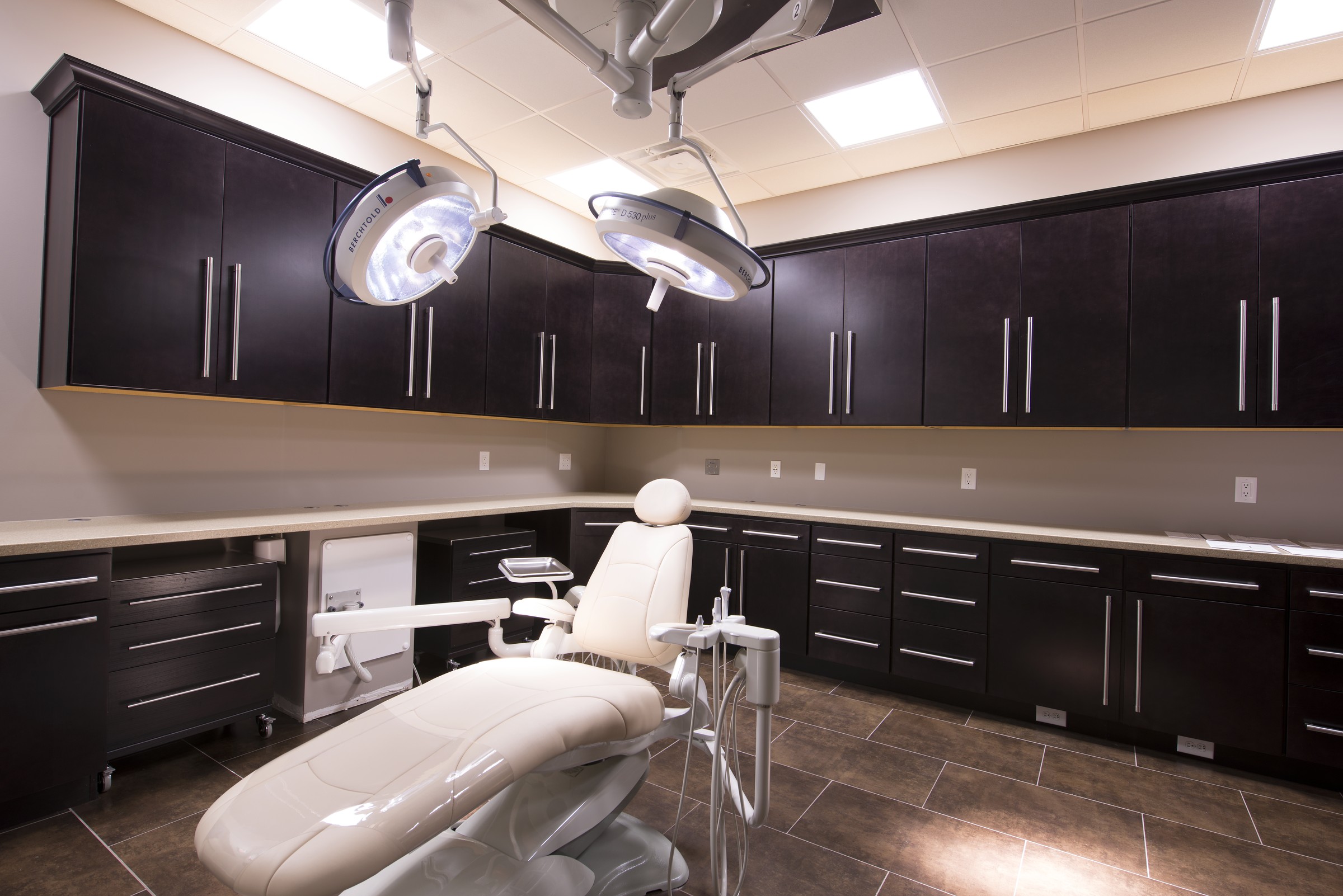
What oral surgery means in a dental office
Oral surgery is any procedure that involves working on the gums, jawbone or the roots of teeth, rather than only the visible part of a tooth. In a general dental office this most often means removing teeth that cannot be saved, removing wisdom teeth, and preparing for or placing dental implants.
Leamington Sedation Dentistry lists oral surgery among its services, along with dental implants and sedation dentistry. At your consultation, Dr. Pierre Obeid can explain which procedures are done in the office and whether your situation needs a referral.
- Simple extractions of teeth that are visible and loose enough to lift out
- Surgical extractions, where gum or bone around the tooth needs to be moved or removed
- Wisdom tooth removal, including teeth that are partly or fully under the gum
- Procedures related to dental implants, such as placing the implant itself
- Removal of broken teeth or roots left after a fracture
Why a tooth or area might need surgery
Your dentist will usually suggest surgery only after looking at an X-ray and examining the area. The aim is to deal with a problem that a filling, crown or root canal cannot fix, or to prevent a problem from getting worse.
Wisdom teeth are a common example. They are not always removed; many people keep theirs without trouble. Removal tends to be advised when they are causing pain, infection, decay, damage to the neighbouring tooth, or are positioned in a way that is likely to cause these problems.
- A tooth too broken down or decayed to restore
- Infection that has not settled with other treatment
- Advanced gum disease that has loosened a tooth
- Crowding, or teeth that need to come out before orthodontic treatment
- Wisdom teeth that are impacted, infected or hard to keep clean
Sedation and comfort during the procedure
Almost all oral surgery in a dental office is done with local anaesthetic, which numbs the area so you feel pressure but not sharp pain. You stay awake unless sedation is added.
Because the practice offers sedation dentistry, it is worth asking about sedation if you feel anxious, have a strong gag reflex, or are having a longer procedure such as several wisdom teeth out at once. Your dentist will review your medical history and medications first, since these affect which options are safe for you.
If you have sedation, you will usually need someone to drive you home and stay with you for the rest of the day.
What to expect on the day
Before the procedure your dentist will go over the plan, the risks and your aftercare, and confirm that you have followed any instructions about eating or medications. Tell the team about any blood thinners, recent illness or changes to your health.
A single simple extraction can take only a few minutes once the area is numb. Surgical extractions and wisdom teeth take longer, often somewhere between about 20 minutes and an hour, depending on how many teeth are involved and how they sit in the bone. Stitches are sometimes placed; many dissolve on their own.
- Arrange a ride if you are having sedation
- Eat a light meal beforehand unless you have been told to fast
- Have soft foods and any recommended pain relievers ready at home
- Bring a list of your current medications
Recovery: typical timelines
Recovery varies with the type of surgery, how many teeth were treated, your general health and whether you smoke. The ranges below are typical, not promises.
After a simple extraction, most people feel tender for one to three days and the gum closes over in roughly one to two weeks. After wisdom tooth surgery, swelling usually peaks around the second or third day, and most people return to normal routines within about three to seven days. The bone underneath continues to fill in over a few months.
Dry socket, where the blood clot is lost from the socket, is the most common complication after extractions. It usually shows up two to four days after surgery as worsening pain rather than gradual improvement. Call the office if pain increases instead of easing, or if you notice fever, spreading swelling or bleeding that does not slow with pressure.
- Bite on gauze as directed to help a clot form
- Avoid smoking, vaping and drinking through a straw for the first few days
- Use cold packs on the cheek during the first day to limit swelling
- Stick to soft foods and chew on the other side
- Begin gentle salt-water rinses when your dentist advises, usually from the next day
What affects the cost
The cost of oral surgery depends on what is done, so the most reliable figure comes from a quote after your exam and X-rays.
Many Canadians have some coverage for extractions and oral surgery through a dental plan at work, a provincial program or the Canadian Dental Care Plan. How much is covered depends on your plan, so ask the office to help you understand what your plan may pay before treatment.
- Whether the extraction is simple or surgical
- How many teeth are being treated at once
- Whether sedation is used
- Extra steps such as bone grafting to preserve the area for a future implant
- What will replace the tooth afterwards, such as an implant, bridge or denture
Your doctor

Dr. Pierre Obeid
Dr. Pierre Obeid cares for patients at Leamington Sedation Dentistry. Get to know the person behind the practice and the team who will welcome you.
Common questions
Not every missing tooth needs replacing, especially wisdom teeth. For other teeth, a gap can let neighbouring teeth drift and affect your bite over time. Your dentist can talk through options such as an implant, bridge or denture, and whether to plan for one before the extraction.
Many people return to desk work the day after a simple extraction. After wisdom tooth surgery or sedation, planning one to three days off is common, and physical work or exercise is usually best avoided for a few days.
The practice treats dental emergencies. Its listed office hours are Monday to Wednesday, 8 AM to 5 PM, with lunch from 1 PM to 2 PM, so call during those times to ask about being seen. If you have swelling that affects breathing or swallowing, go to a hospital emergency department.
Not always. Antibiotics are generally reserved for active infection or certain medical conditions, rather than given routinely after every extraction. Your dentist will decide based on your health and what is found at the appointment.
The next step
You don’t have to figure it out alone.
Book online, ask a question or tell us what brings you in. The team can help you understand what happens next.
Prefer to call? (519) 324-0746Book a visit
Book a visit.
Send the essentials and let the team know how to reach you.